Get FoodTech Startup Stories Delivered to your Inbox!
RoseWorks just launched a newsletter. But its not about marketing, AI hype or spam.
Instead, it is a monthly brief about renegade engineers that are building new technology for food. Each month, you will get The Startup Spotlight, a deep dive into ONE FoodTech startup’s amazing story
This month, discover La Pâtisserie Numérique: a French startup building 3D printers... for food!
The Startup Spotlight: La Pâtisserie Numérique
Meet Marine Coré Baillais.
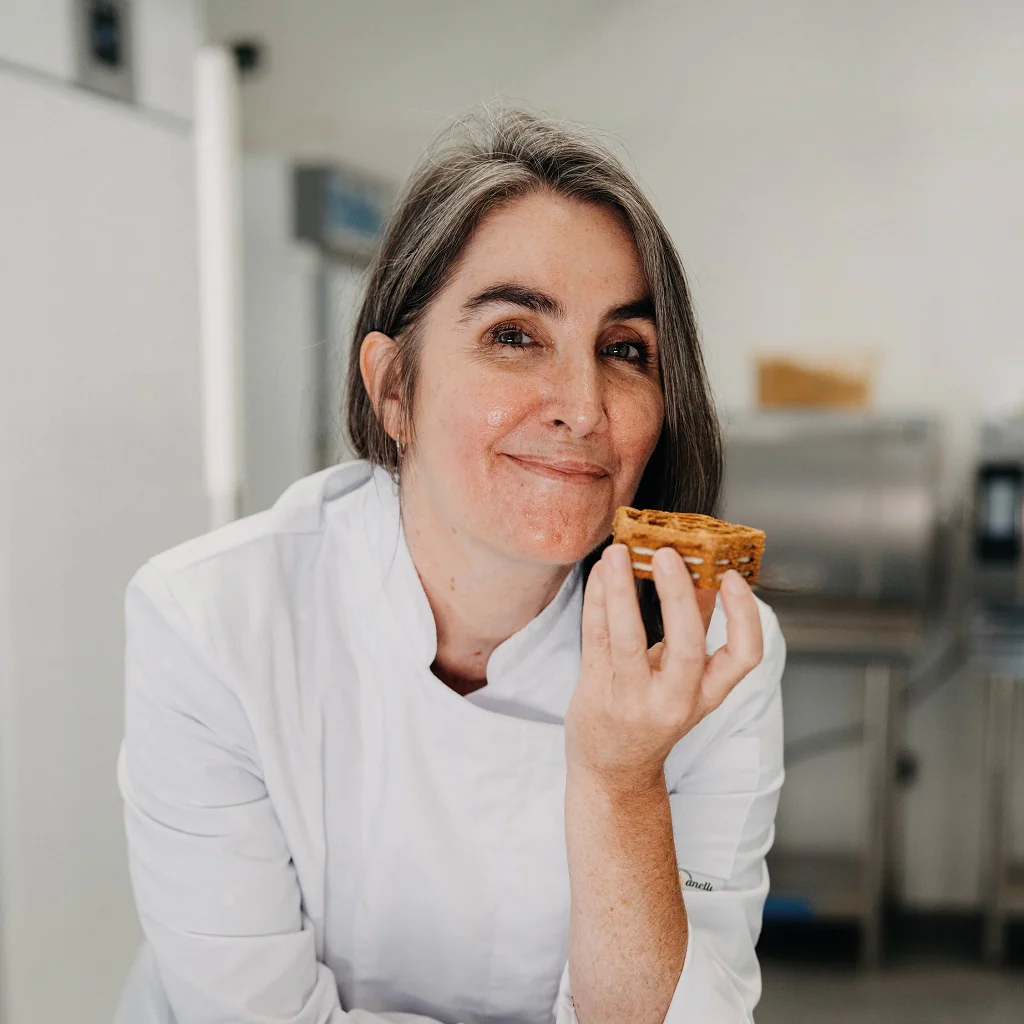
Marine is the savant behind this month's magnificent startup. More of a Steve Jobs than a Picasso, Marine has succeeded in business for 20 years. And in 2019, she played a decisive role in the exit of Sculpteo, the 3D printing startup that she headed.
Much like Jobs, Marine works across the art and technology spectrum. And today, Marine pursues her mission to turn 3D printing into a culinary art — something only the French could do!
And so La Pâtisserie Numérique is born.
Early technology
The company took a couple of years to get their footing. They quickly put a product on the market (the CakeWalk3D, now discontinued) and focused on building demos and content. It certainly provided learning opportunities, but they seemed limited mostly to edible 2D art.
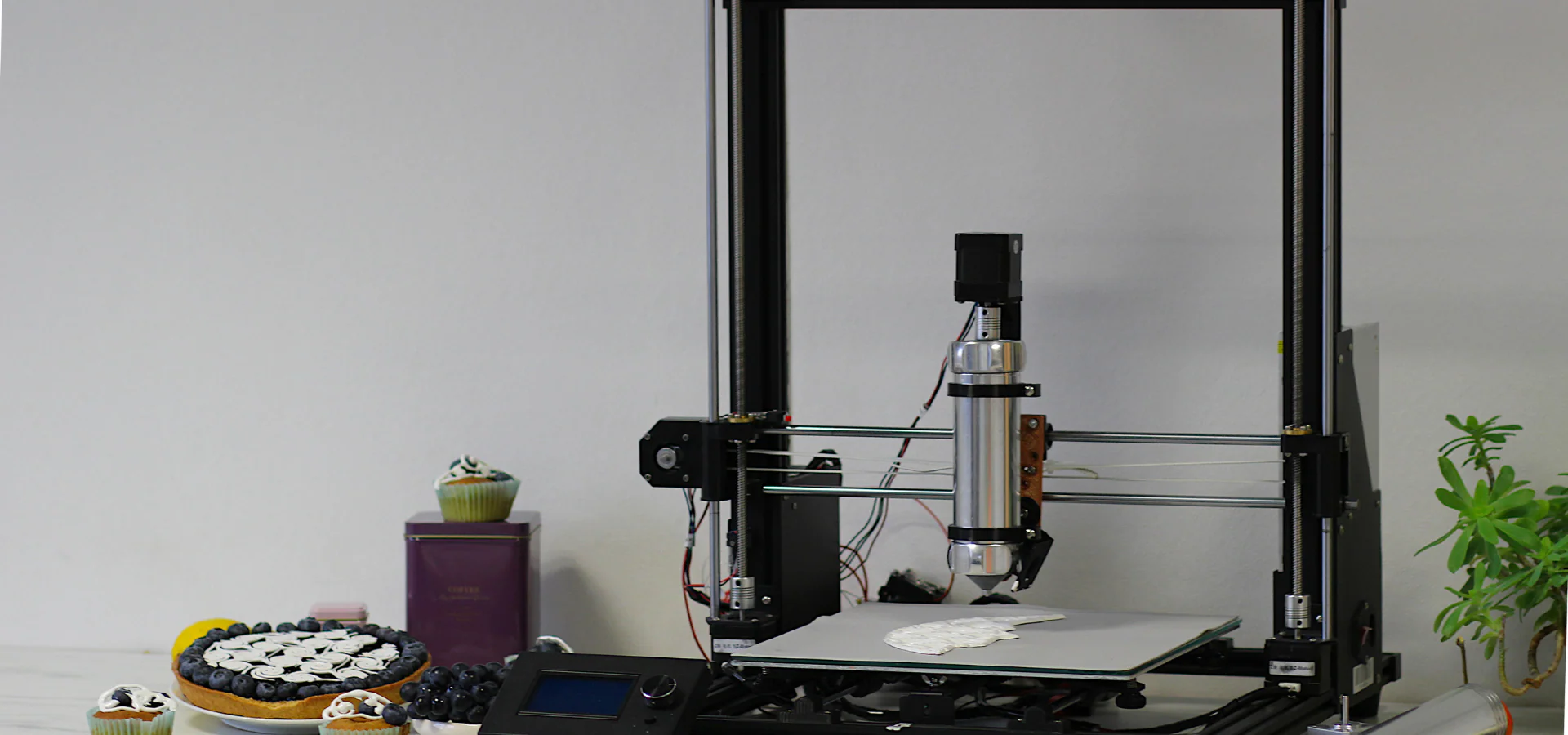
But VivaTech 2022 marked a new chapter with the launch of their flagship product: Patiss3, a first-of-its-kind biscuit printer.
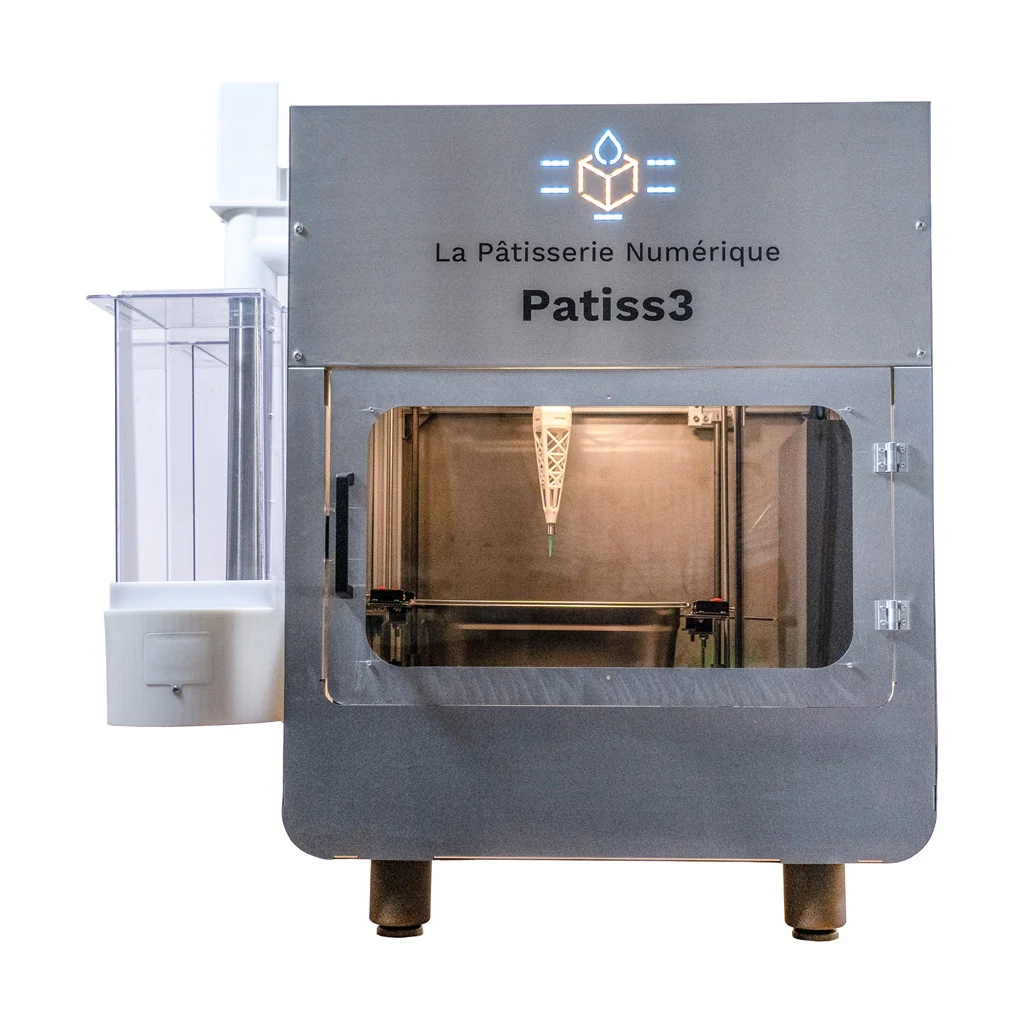
The technology behind Patiss3
Patiss3 (pronounced pat-ees-three) prints biscuits by injecting the wet ingredients, like egg and milk, into a bed of flour and sugar. No doubt inspired by Marine's 3D-printing experience at Sculpteo, the process resembles binder jetting1. But Patiss3 is its own beast. It is not clear how they arrived at this design, though it is safe to assume a good dose of inspiration and a technological leap of faith.
Patented and #MadeInFrance, Patiss3 is no-joke food engineering. LPN have to guarantee the ingredients will flow when they need to flow, and set when they need to set. This would be hard enough with plastic filament printers, but the food element changes the game.
Unlike 3D printing metals or plastics, butter and eggs change their behaviour with even small changes in temperature. Wet mixes can even separate over time, and dry powders can clump together (known as caking).
Food is rebellious, yet the team has built a product reliable enough to spearhead a new, beautiful art form — while also packing the company with IP and hard-earned know-how.
So what are they selling?
In concrete terms, their technology claims to excel at two things:
- It unbounds creativity
- And saves time/money for the pâtisseries (pastry shops)
Let’s take these one by one.
Creativity Unbound
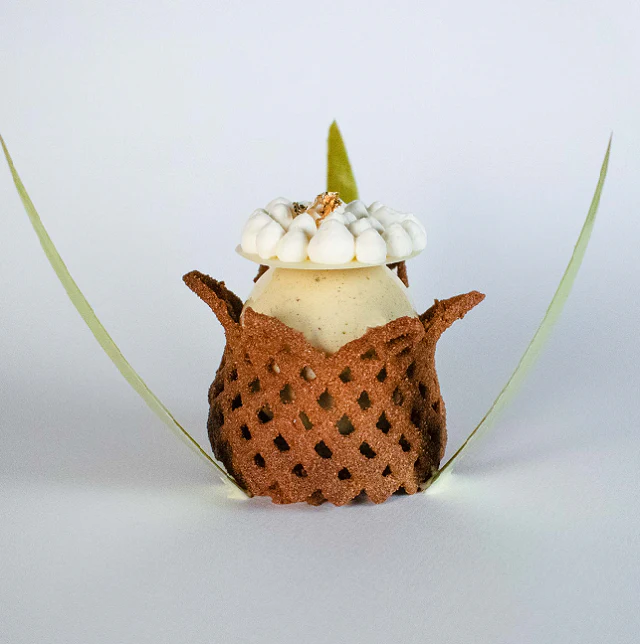
The Patiss3 is a game-changer for the art of pastry making. Frankly, these pictures speak for themselves.
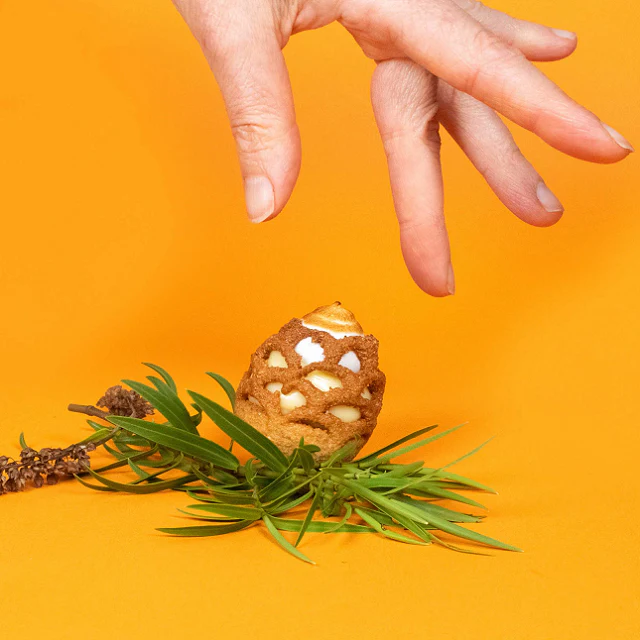
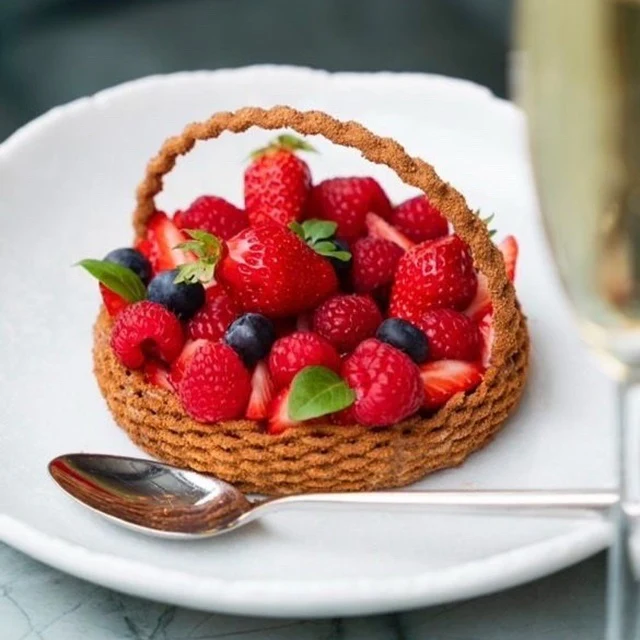
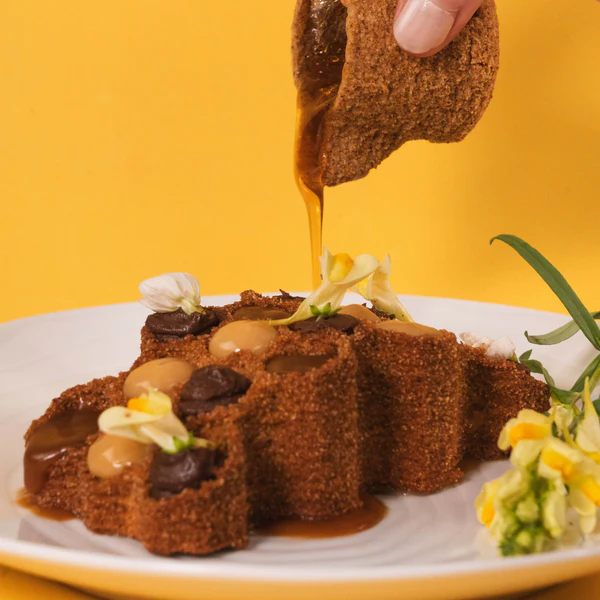
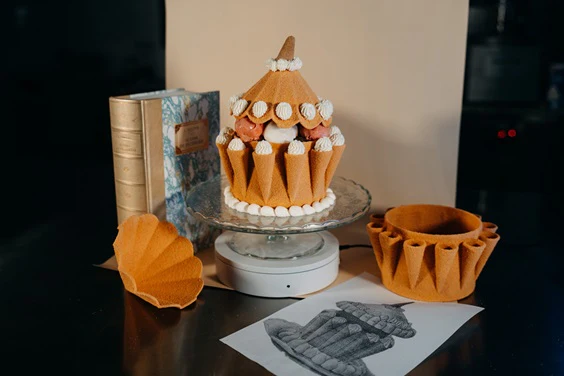
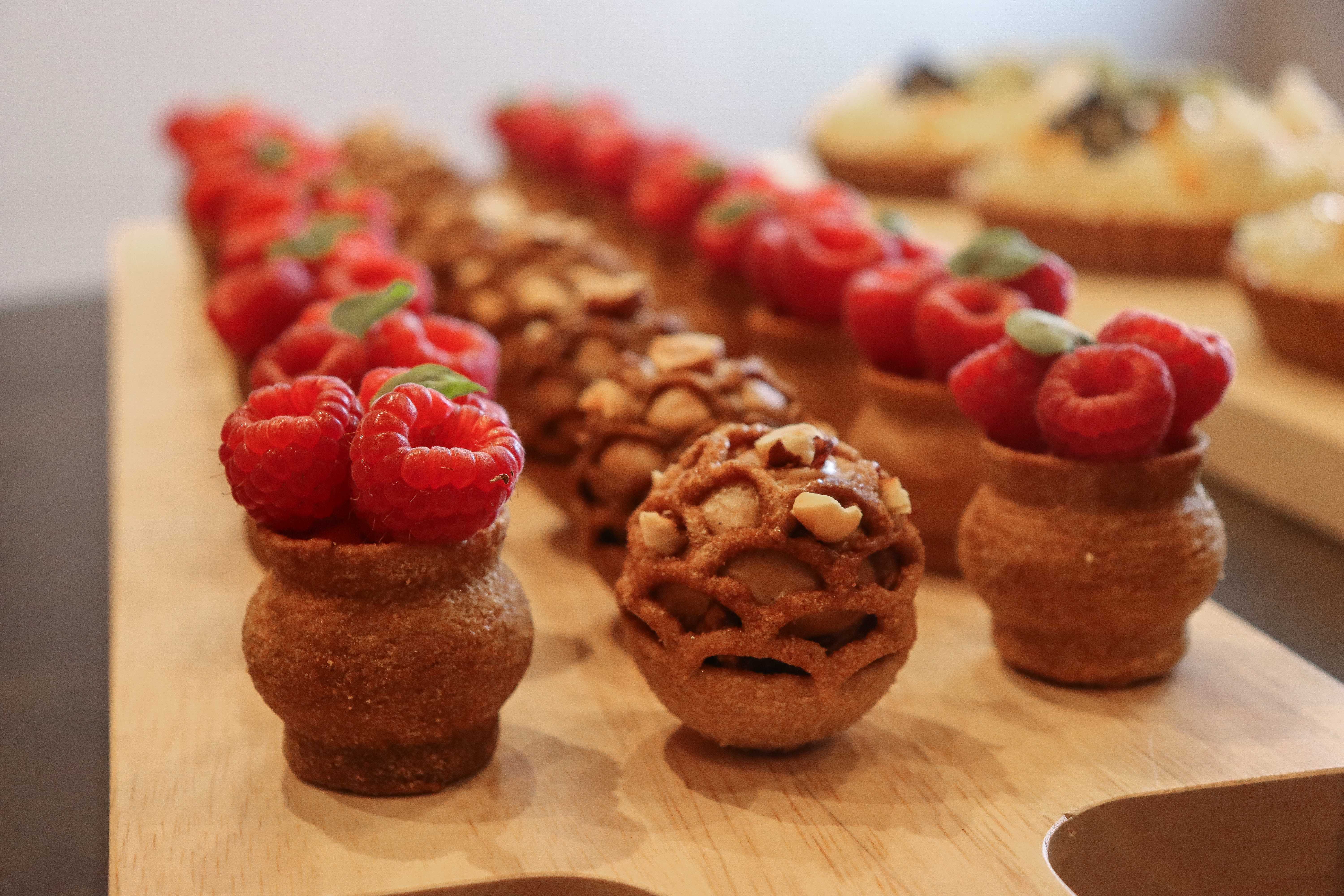
Satisfied? Great!
There is no debate here. Their technology is a gift for creatives and may well lead to a new art form.
The actual process of creating new designs can be technical. Perhaps too fiddly for the boots-on-the-ground chefs. Nonetheless, LPN provide a catalogue of pre-programmed designs — tested and good to go!
The fact is, France has a dense network of pâtisseries that struggle to stand out from each other. Patiss3 could be the key to successful breakouts. The question is, can they convert 3D-printed biscuits from an eye-catching trend into a permanent culinary art form?
But does it save money?
In my view: yes and no.
Despite being more cost-effective per pastry, I believe people pay for artisanal — at least in France. And, despite having a few big-name endorsements from renowned pastry chefs, 3D printing in excess could harm the perception of artisanal pastry-making.
Not to get stuck in the chasm between artisanal food and mass-produced biscuits, LPN may need to decide which market their biscuits go to: luxury or commodity?
That said, it does provide concrete, possibly decisive, advantages for pastry chefs: It automates the building of biscuit bases. And with these just-in-time pastries, you will never eat so fresh!
What are LPN doing today?
I can only guess their upcoming engineering challenges. LPN are moving their printers into pastry houses all around France. Though their work so far is mind-blowing, LPN's communications do not always address the reliability and consistency of Patiss3’s output. I do not doubt that this will be on the mind of the pastry chefs and the R&D team.
Footnotes and comments
- Binder jetting is a type of 3D printing that sprays layers of binder (such as glue) onto a bed of powdered metal, sand, or plastic.
- Images used with permission. All images © La Pâtisserie Numérique.
No affiliation exists between the author / RoseWorks and La Pâtisserie Numérique. Opinions are the author’s own; all statements verified to the best of the author’s ability, with sources cited where possible.